


When you search for a Fuel & Engine Filter Cross Reference Guide, you are usually trying to find an equivalent filter part number that matches your vehicle or machine without risking engine performance. Whether your original filter is unavailable, too expensive, or discontinued, a proper cross reference guide helps you quickly identify compatible alternatives from trusted brands
In the automotive and commercial vehicle industry, choosing the correct filter is not just about fitment. A wrong filter can reduce engine efficiency, affect fuel flow, increase wear, and even damage critical engine components over time. That is why workshops, fleet operators, mechanics, and spare parts suppliers rely on accurate cross reference systems every day.
At Right Auto Spares, we understand how confusing filter matching can become, especially when dealing with multiple brands, OEM numbers, and aftermarket replacements. This guide explains everything in simple terms so users can easily understand how fuel and engine filter cross referencing works and how to select the right replacement confidently.
What is a Fuel & Engine Filter Cross Reference Guide?
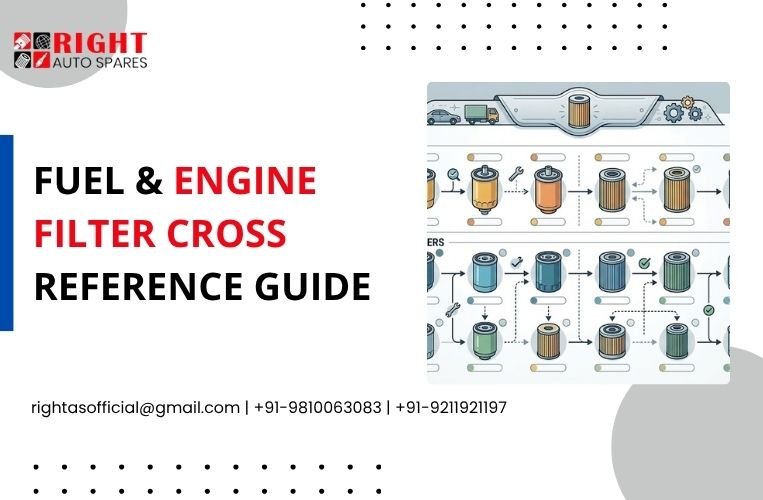
A Fuel & Engine Filter Cross Reference Guide is a database or comparison chart that helps users match one filter part number with equivalent filters from different manufacturers.
For example, if your vehicle uses a Fleetguard fuel filter, the guide may show compatible alternatives from:
- Donaldson
- Baldwin
- WIX
- Bosch
- MANN Filter
- Sakura
- Mahle
This allows users to replace filters even when the original brand is not available.
Why Filter Cross Referencing is Important
1. Find Quick Replacements
If an OEM filter is unavailable, you can immediately identify a compatible aftermarket option.
2. Reduce Maintenance Costs
Equivalent aftermarket filters are often more affordable than original manufacturer parts.
3. Improve Fleet Management
Transport companies and workshops use cross references to standardize inventory across multiple vehicle models.
4. Avoid Downtime
Commercial vehicles and industrial machines cannot remain idle for long periods. A cross reference guide helps reduce delays during servicing.
Types of Filters Included in Cross Reference Guides
Fuel Filters
Fuel filters remove dirt, rust particles, and contaminants from diesel or petrol before it reaches the engine.
Common Applications
- Trucks
- Buses
- Cars
- Tractors
- Construction equipment
Engine Oil Filters
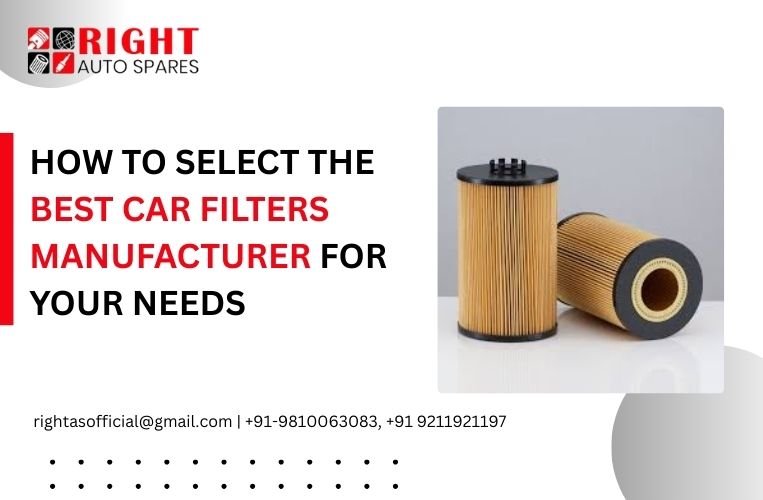
Oil filters clean engine oil and protect internal components from metal particles and sludge buildup.
Air Filters
Air filters prevent dust and debris from entering the combustion chamber.
Hydraulic Filters
Used in industrial machinery and hydraulic systems to maintain fluid cleanliness.
How to Read a Filter Cross Reference Table
A standard filter cross reference table includes:
| OEM Part Number | Filter Type | Equivalent Brand | Alternative Part Number |
|---|---|---|---|
| Fleetguard FF5052 | Fuel Filter | Baldwin | BF7633 |
| Donaldson P550588 | Fuel Filter | WIX | 33472 |
| MANN WK940/7 | Fuel Filter | Bosch | N4107 |
| Fleetguard LF17356 | Oil Filter | Sakura | C-5705 |
| Donaldson P821575 | Air Filter | Baldwin | RS3544 |
These tables help users quickly identify compatible replacement options.
Important Factors to Check Before Replacing a Filter
Thread Size
The filter must match the mounting thread perfectly.
Micron Rating
Micron rating determines how effectively the filter captures contaminants.
Flow Rate
Fuel and oil flow capacity must match engine requirements.
Dimensions
Outer diameter, height, and sealing dimensions must fit correctly.
OEM Compatibility
Always verify the vehicle or engine application before installation.
Difference Between OEM and Aftermarket Filters
| Feature | OEM Filters | Aftermarket Filters |
|---|---|---|
| Manufactured By | Original vehicle manufacturer | Third-party brands |
| Cost | Higher | More affordable |
| Availability | Sometimes limited | Widely available |
| Brand Options | Limited | Multiple choices |
| Cross Reference Availability | Yes | Yes |
Many high-quality aftermarket filters perform extremely well when sourced from trusted suppliers like Right Auto Spares.
Common Industries That Use Filter Cross Reference Guides
Automotive Industry
Passenger cars, SUVs, and commercial vehicles require regular filter replacement.
Heavy-Duty Trucking
Long-distance trucks depend heavily on reliable fuel and oil filtration.
Agriculture
Tractors and farming equipment operate in dusty environments and need durable filters.
Construction Equipment
Excavators, loaders, and generators use multiple filtration systems.
Industrial Machinery
Factories and hydraulic systems require continuous contamination control.
Common Mistakes to Avoid While Choosing Filters
Selecting Based Only on Appearance
Two filters may look identical but have completely different internal specifications.
Ignoring Micron Ratings
A wrong micron rating can reduce filtration efficiency.
Choosing Low-Quality Cheap Filters
Poor-quality filters may collapse internally or restrict flow.
Not Verifying Vehicle Application
Always confirm engine compatibility before installation.
How Right Auto Spares Helps Customers Find the Correct Filters
Right Auto Spares offers reliable support for customers looking for compatible fuel and engine filters for various vehicle categories.
Our Focus Includes:
- Accurate filter cross referencing
- Quality aftermarket spare parts
- Commercial vehicle filtration solutions
- Multiple brand compatibility
- Customer support for filter selection
Whether you need filters for trucks, buses, tractors, or industrial applications, having the correct cross reference information helps improve performance and reduce maintenance issues.
Signs Your Fuel or Engine Filter Needs Replacement
Reduced Engine Performance
Clogged filters restrict proper fuel or oil flow.
Hard Starting Problems
Fuel contamination can affect ignition efficiency.
Increased Fuel Consumption
Dirty filters force the engine to work harder.
Black Smoke Emission
Restricted airflow or fuel contamination can increase emissions.
Unusual Engine Noise
Poor lubrication caused by blocked oil filters may create internal wear.
Benefits of Regular Filter Replacement
| Benefit | Impact |
|---|---|
| Better Engine Protection | Reduces internal wear |
| Improved Fuel Efficiency | Maintains proper combustion |
| Longer Engine Life | Prevents contamination damage |
| Lower Maintenance Cost | Reduces major repairs |
| Better Vehicle Performance | Ensures smooth operation |
Final Thoughts
A Fuel & Engine Filter Cross Reference Guide makes vehicle maintenance simpler, faster, and more cost-effective. Instead of struggling to find an exact OEM filter, users can confidently identify equivalent replacements that meet the same application requirements.
However, proper verification is always important. Specifications such as thread size, micron rating, dimensions, and flow capacity should be checked carefully before installation.
At Right Auto Spares, we believe that the right filter does more than protect an engine. It improves reliability, reduces downtime, and helps vehicles perform efficiently for the long run.
FAQs
Check your existing filter’s OEM part number and match it with an equivalent filter using a trusted cross reference guide.
Yes, quality aftermarket filters can replace OEM filters if the size, micron rating, and application match correctly.
A wrong filter can reduce engine performance, restrict flow, and even damage engine components over time.
Yes, but users should always verify specifications and vehicle compatibility before installation.
Most filters should be replaced during regular vehicle servicing or as recommended by the manufacturer.