


Most drivers think about engine oil, tires, and brakes when it comes to vehicle maintenance. However, one of the most important components protecting your engine often goes unnoticed: the air filter.
Although small and relatively inexpensive, the engine air filter plays a critical role in your vehicle's performance, fuel efficiency, and long-term reliability. A clean air filter helps your engine breathe properly, while a dirty or clogged filter can restrict airflow and affect overall performance.
So, what does an air filter do for your car?
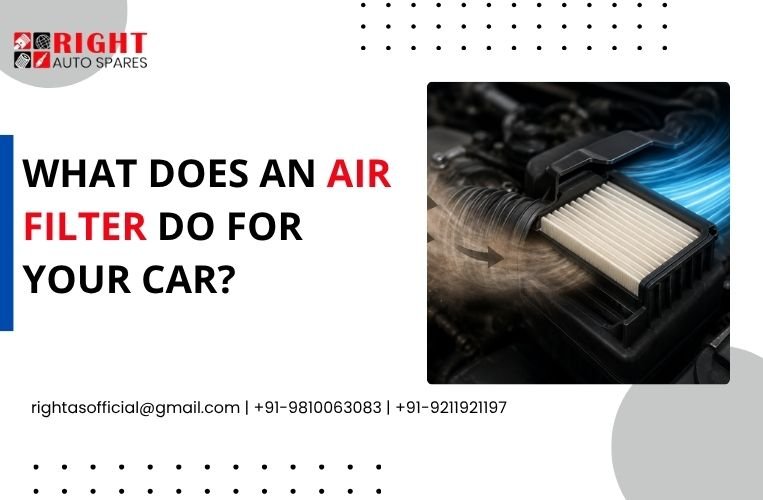
Simply put, it prevents dirt, dust, debris, insects, and other airborne contaminants from entering the engine while allowing clean air to pass through. This helps protect internal engine components and supports efficient combustion.
In this guide, we'll explain how an air filter works, why it's important, common signs of a dirty air filter, replacement intervals, and how choosing the right filter can help extend engine life.
What Is an Engine Air Filter?
An engine air filter is a component installed within the vehicle's air intake system.
Its primary purpose is to clean the air entering the engine before it reaches the combustion chamber.
Every internal combustion engine requires a precise mixture of fuel and air to operate efficiently. Since outside air contains dust, dirt, pollen, sand, and other contaminants, an air filter acts as the first line of defense.
Without proper filtration, these contaminants could enter the engine and cause premature wear.
How Does an Air Filter Work?
The air filter sits between the outside air intake and the engine.
As air enters the intake system, it passes through filter media designed to trap harmful particles.
The cleaned air then continues through the intake system and into the combustion chamber, where it combines with fuel to generate power.
Air Filter Process
|
Step |
What Happens |
|
Air enters intake system |
Outside air is drawn toward the engine |
|
Air passes through filter |
Dirt and contaminants are captured |
|
Clean air flows to engine |
Air reaches the combustion chamber |
|
Fuel and air mix |
Combustion process occurs |
|
Engine generates power |
Vehicle operates efficiently |
This process happens continuously whenever the engine is running.
Why Is an Air Filter Important?
Many drivers underestimate the importance of an air filter because it is hidden inside the engine bay.
However, the air filter directly affects several aspects of vehicle performance.
Protects the Engine
The primary job of an air filter is to prevent contaminants from entering the engine.
Dust and debris can damage:
Pistons
Cylinders
Valves
Turbochargers
Sensors
A quality air filter helps reduce internal wear and extends engine life.
Improves Engine Performance
Engines require sufficient airflow to operate efficiently. A clean air filter allows the correct volume of air to reach the engine, supporting proper combustion and responsive performance.
Supports Fuel Efficiency
Restricted airflow forces the engine to work harder. In many cases, replacing a clogged air filter can help restore fuel efficiency.
Reduces Engine Wear
Contaminants entering the engine can act like abrasive particles. Proper filtration helps protect critical engine components from premature wear.
Helps Reduce Emissions
Modern vehicles rely on efficient combustion to meet emissions standards. Clean airflow supports proper fuel burning and helps reduce unnecessary emissions.
What Happens If You Drive with a Dirty Air Filter?
A dirty air filter gradually restricts airflow. As contamination builds up, engine performance may begin to suffer.
Common Effects of a Dirty Air Filter
Problem
Potential Impact
Restricted airflow
Reduced engine performance
Poor combustion
Increased fuel consumption
Engine hesitation
Slower acceleration
Dirty sensors
Performance issues
Increased engine strain
Higher long-term wear
Ignoring a clogged air filter can lead to more significant maintenance issues over time.
Signs Your Air Filter Needs Replacement
One of the most common questions vehicle owners ask is how to tell when an air filter needs replacing.
Several warning signs may indicate it's time for a new filter.
Reduced Fuel Economy
If your vehicle suddenly starts consuming more fuel than usual, a dirty air filter may be restricting airflow.
Sluggish Acceleration
A lack of airflow can reduce engine responsiveness. You may notice slower acceleration or reduced power.
Dirty or Discolored Filter
During inspection, a clean filter typically appears light in color. A filter covered in dirt, dust, or debris may require replacement.
Unusual Engine Sounds
Restricted airflow can sometimes cause unusual intake noises.
Check Engine Light
In some vehicles, severe airflow restrictions may trigger engine management warnings.
Black Exhaust Smoke
Poor combustion caused by insufficient airflow can contribute to darker exhaust emissions.
How Often Should You Replace an Air Filter?
Replacement intervals vary depending on:
Vehicle type
Driving conditions
Climate
Road environment
General Guidelines
Driving Condition
Suggested Inspection Interval
Normal driving
Every 12,000 to 15,000 miles
Dusty environments
More frequent inspections
Construction zones
More frequent replacement
Off-road use
Frequent inspections recommended
Always refer to the vehicle manufacturer's maintenance recommendations.
Can a Dirty Air Filter Affect Fuel Economy?
Yes.
A clogged air filter can reduce airflow entering the engine.
Modern engines attempt to compensate for restricted airflow, but overall efficiency may still be affected.
While replacing an air filter won't solve every fuel economy issue, it remains one of the simplest and most cost-effective maintenance items.
Can a Dirty Air Filter Cause Engine Damage?
Over time, it can contribute to increased wear.
If contaminants bypass a damaged or poorly fitting filter, they may enter the engine and affect internal components.
This is why using quality air filtration products is important for long-term engine protection.
Types of Automotive Air Filters
Different vehicles use different filter designs. Common options include:
Paper Air Filters
Widely used and cost-effective.
Synthetic Air Filters
Offer improved filtration and durability.
Performance Air Filters
Designed to support increased airflow in certain applications.
Heavy-Duty Air Filters
Used in commercial vehicles, construction equipment, generators, and industrial machinery.
Choosing the Right Air Filter for Your Vehicle
Not all air filters offer the same level of protection.
When selecting an air filter, consider:
Vehicle compatibility
Filtration efficiency
Build quality
Durability
Operating environment
A properly designed filter helps maintain airflow while effectively capturing contaminants.
Why Quality Air Filters Matter
An air filter is one of the first barriers protecting your engine from harmful contaminants.
A high-quality filter can help:
Improve airflow
Protect engine components
Support fuel efficiency
Reduce wear
Extend engine life
Whether you're maintaining a passenger vehicle, a commercial truck, a generator, an agricultural machine, or industrial equipment, quality filtration remains essential.
At Right Auto Spares, we supply reliable automotive and industrial filtration solutions designed to support engine performance in demanding operating environments.
Final Thoughts
An air filter may seem like a simple component, but it plays a vital role in protecting your engine and supporting vehicle performance. Clean airflow is essential for efficient combustion, fuel economy, and long-term reliability.
Regular inspection and timely replacement of the air filter can help prevent unnecessary wear, improve engine efficiency, and reduce maintenance costs.
For vehicle owners, fleet operators, workshops, and industrial users, investing in quality filtration is one of the simplest ways to protect valuable equipment and keep engines running efficiently for years to come.
Frequently Asked Questions
What does an air filter do for a car?
An air filter prevents dirt, dust, and contaminants from entering the engine while allowing clean air to pass through for combustion.
Can a dirty air filter reduce fuel economy?
Yes. Restricted airflow can reduce combustion efficiency and may increase fuel consumption.
How often should an air filter be replaced?
Most vehicles benefit from regular inspection and replacement according to manufacturer recommendations and driving conditions.
What are the signs of a bad air filter?
Common signs include reduced fuel economy, sluggish acceleration, unusual engine sounds, black exhaust smoke, and visible dirt buildup.
Can a dirty air filter damage an engine?
Over time, poor filtration or a damaged filter can increase engine wear and allow contaminants to affect internal components.