


Why Cost Matters When Importing Spare Parts: A Complete Guide for Smart Buyers
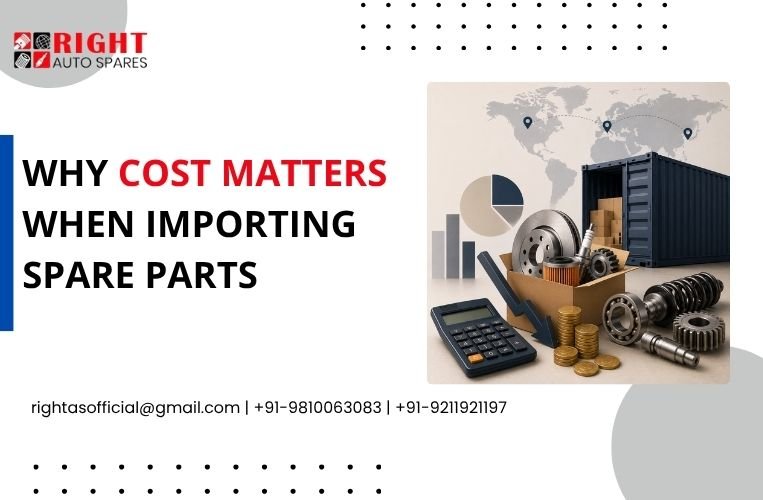
When importing spare parts, the price on the supplier's quotation is only one part of the total investment. Many businesses focus on securing the lowest purchase price, only to discover later that freight charges, customs duties, storage fees, inconsistent product quality, or shipment delays have significantly increased the actual cost of each part.
For distributors, retailers, workshops, fleet operators, and importers, understanding the true cost of importing spare parts is essential for maintaining healthy profit margins and building a reliable supply chain. A well-planned purchasing strategy helps reduce unnecessary expenses, improve inventory planning, and deliver consistent value to customers.
In this guide, we'll explain why cost matters when importing spare parts, the hidden expenses many buyers overlook, and practical ways to make better sourcing decisions without compromising on quality.
Why Looking Beyond the Purchase Price Is Important
The lowest quotation rarely represents the lowest overall cost. Importing spare parts involves several expenses that occur after the order is placed, and these costs directly affect your profitability.
Successful importers evaluate the total landed cost, not just the product price. This broader approach provides a clearer picture of how much each spare part actually costs once it reaches the warehouse.
Businesses that understand their complete import costs are better positioned to:
Set competitive selling prices.
Protect profit margins.
Plan inventory more effectively.
Reduce unexpected expenses.
Build long-term supplier relationships.
How Import Costs Affect Your Profit Margin
Every additional cost during the import process reduces the margin available on each product sold. While some expenses cannot be avoided, careful planning can help minimise their impact.
For example, consolidating multiple orders into one shipment may reduce freight costs per unit. Choosing the right shipping method or negotiating favourable payment terms can also improve overall profitability.
Rather than focusing on the cheapest supplier, experienced importers evaluate how each purchasing decision affects the final landed cost and long-term business performance.
The Cheapest Spare Parts Can Become the Most Expensive
Selecting a supplier based solely on price is one of the most common mistakes made by importers.
A low-cost spare part may appear attractive initially, but poor manufacturing quality or inconsistent supply can create additional costs that outweigh the initial savings.
These hidden costs often include:
Product failures.
Customer complaints.
Warranty replacements.
Emergency reorders.
Additional shipping charges.
Loss of customer confidence.
Reduced repeat business.
Choosing reliable products from a trusted supplier often provides better long-term value than purchasing the lowest-priced alternative.
What Is the Total Landed Cost?
The total landed cost is the complete cost of importing a product from the supplier's facility to your warehouse. Understanding this figure helps businesses make informed purchasing decisions and avoid unexpected expenses.
Components of the Total Landed Cost
Cost Component
Why It Matters
Product Cost
Base purchase price paid to the supplier
Freight Charges
Sea, air, or courier transportation costs
Customs Duties
Government import duties based on product classification
Taxes
GST, VAT, or other applicable local taxes
Cargo Insurance
Protects shipments against loss or damage during transit
Customs Clearance
Documentation, brokerage, and processing fees
Inland Transportation
Delivery from the port or airport to your warehouse
Storage or Demurrage
Additional charges if cargo is delayed during clearance
Calculating the total landed cost before placing an order provides a realistic view of your actual investment and helps prevent unexpected financial surprises.
Why Product Quality Has a Direct Impact on Cost
Quality and cost are closely connected. While premium-quality spare parts may require a higher initial investment, they often reduce long-term operating expenses.
Reliable components help businesses lower warranty claims, reduce product returns, and improve customer satisfaction.
Benefits of Investing in Quality Spare Parts
Quality Benefit
Business Advantage
Longer service life
Fewer replacements
Better reliability
Reduced vehicle downtime
Lower warranty claims
Lower operating costs
Consistent performance
Higher customer satisfaction
Improved durability
Better long-term value
Rather than comparing suppliers only by price, evaluate how product quality affects the total cost of ownership.
What Is the Total Landed Cost?
The total landed cost is the complete cost of importing a product from the supplier's facility to your warehouse. Understanding this figure helps businesses make informed purchasing decisions and avoid unexpected expenses.
Components of the Total Landed Cost
| Cost Component | Why It Matters |
|---|---|
| Product Cost | Base purchase price paid to the supplier. |
| Freight Charges | Sea, air, or courier transportation costs. |
| Customs Duties | Government import duties based on product classification. |
| Taxes | GST, VAT, or other applicable local taxes. |
| Cargo Insurance | Protects shipments against loss or damage during transit. |
| Customs Clearance | Documentation, brokerage, and processing fees. |
| Inland Transportation | Delivery from the port or airport to your warehouse. |
| Storage or Demurrage | Additional charges if cargo is delayed during customs clearance. |
Calculating the total landed cost before placing an order provides a realistic view of your actual investment and helps prevent unexpected financial surprises.
Supplier Reliability Influences More Than Product Availability
Choosing a dependable supplier is one of the most effective ways to control long-term import costs.
An experienced supplier does more than manufacture or source spare parts. They help ensure orders are accurate, shipments are prepared correctly, and documentation meets international shipping requirements.
Reliable suppliers typically provide:
Consistent product quality.
Accurate order fulfilment.
Timely dispatch.
Responsive communication.
Export documentation support.
Better inventory planning.
A dependable supplier helps businesses avoid many of the hidden costs associated with delayed deliveries, incorrect shipments, and inconsistent product quality.
Cost vs Value: Which Should You Prioritise?
Many buyers compare suppliers using only product pricing. A better approach is to evaluate the overall value each supplier offers.
| Evaluation Factor | Low-Cost Supplier | Value-Focused Supplier |
|---|---|---|
| Product Quality | May vary | Consistent and dependable |
| Warranty Support | Limited | Clearly defined |
| Delivery Reliability | Can be inconsistent | More predictable |
| Technical Assistance | Often limited | Ongoing support |
| Total Cost of Ownership | Can be higher | Often lower over time |
| Long-Term Business Value | Uncertain | Stronger partnership potential |
The most successful importers understand that value is measured not only by purchase price but also by quality, service, reliability, and long-term business benefits.
Exchange Rates Can Increase or Reduce Import Costs
When sourcing spare parts from international suppliers, currency fluctuations can directly affect your purchasing budget. Even a small change in exchange rates can make a noticeable difference, especially for businesses placing large or recurring orders.
While exchange rates cannot be controlled, businesses can reduce their impact by planning purchases carefully.
Consider these best practices:
Monitor exchange rate trends before placing large orders.
Discuss pricing terms with your supplier.
Schedule purchases when market conditions are favourable.
Build long-term supplier relationships that provide pricing consistency.
Planning ahead helps minimise unexpected costs and improves financial forecasting.
Don't Overlook Import Duties and Taxes
Many first-time importers calculate only the product price and shipping charges, overlooking customs duties, taxes, and clearance fees. These expenses can significantly increase the final cost of imported spare parts if they are not considered during the planning stage.
Before placing an order, make sure you understand:
Import duties applicable to your product category.
Local GST, VAT, or other tax requirements.
Customs documentation needed for clearance.
Product classification and HS codes.
Import regulations in your destination country.
Accurate planning helps avoid unexpected charges, customs delays, and compliance issues.
Practical Ways to Reduce Import Costs Without Compromising Quality
Reducing costs does not mean choosing lower-quality products. It means improving purchasing decisions and making the supply chain more efficient.
Here are some proven ways to control import expenses:
Cost-Saving Strategy
Business Benefit
Consolidate shipments
Lower freight cost per unit
Order in planned quantities
Better pricing and inventory control
Compare overall supplier value
Improved long-term profitability
Calculate landed cost before ordering
Fewer unexpected expenses
Source from experienced exporters
Smoother logistics and documentation
Maintain long-term supplier relationships
Stable pricing and consistent supply
These strategies help businesses improve profitability while maintaining product quality and customer satisfaction.
Common Mistakes Importers Should Avoid
Even experienced buyers can make purchasing decisions that increase costs unnecessarily.
Some of the most common mistakes include:
Choosing suppliers based only on the lowest quotation.
Ignoring the total landed cost.
Ordering without checking product specifications.
Overlooking quality control and inspection procedures.
Failing to verify import duties and documentation requirements.
Buying from suppliers with limited export experience.
Placing large orders without evaluating product samples.
Avoiding these mistakes helps reduce operational risks and creates a more reliable supply chain.
Why the Right Supplier Makes a Difference
A reliable supplier contributes to much more than product availability. They help businesses manage costs through consistent quality, dependable deliveries, accurate documentation, and responsive support.
At Right Auto Spares, we understand that every import decision affects your profitability. That's why we work with trusted manufacturers to supply genuine OEM and premium aftermarket spare parts that meet the expectations of distributors, retailers, workshops, fleet operators, and international buyers.
When you partner with Right Auto Spares, you benefit from:
- A wide selection of OEM and premium aftermarket spare parts.
- Strict quality standards.
- Reliable export support.
- Transparent communication throughout the sourcing process.
- Consistent product availability.
- Dedicated assistance with international orders.
Our goal is to help businesses build efficient supply chains while reducing sourcing risks and maintaining high product standards.
Final Thoughts
Importing spare parts successfully is not about finding the lowest purchase price. It is about understanding the complete cost of sourcing, from product quality and freight charges to customs duties and supplier reliability. Businesses that evaluate the total landed cost make more informed purchasing decisions, improve profitability, and build stronger supply chains.
Choosing the right supplier is equally important. A trusted partner provides consistent product quality, reliable logistics, and the support needed to keep your business running efficiently.
At Right Auto Spares, we help importers, distributors, workshops, and fleet operators source genuine OEM and premium aftermarket spare parts with confidence. By combining quality products, dependable export services, and customer-focused support, we help businesses reduce sourcing risks and create long-term value in every shipment.
Frequently Asked Questions
Why is cost analysis important when importing spare parts?
Cost analysis helps businesses calculate the total landed cost of imported products, making it easier to set competitive prices, protect profit margins, and avoid unexpected expenses.
What is the biggest hidden cost when importing spare parts?
Freight charges, customs duties, taxes, storage fees, and quality-related issues such as product returns or warranty claims are among the most common hidden costs.
Should I always choose the cheapest supplier?
Not necessarily. A lower purchase price can sometimes lead to higher overall costs if the supplier cannot provide consistent quality, reliable deliveries, or proper export documentation. Evaluating overall value often leads to better long-term results.
How can I reduce the cost of importing spare parts?
Plan purchases in advance, consolidate shipments, calculate landed costs before ordering, compare suppliers beyond price, and work with experienced sourcing and logistics partners.
Does buying higher-quality spare parts save money?
Yes. High-quality spare parts generally last longer, reduce replacement frequency, minimise warranty claims, and improve customer satisfaction, making them more cost-effective over time.
What should I look for in a spare parts export supplier?
Choose a supplier with industry experience, strong quality control, export expertise, responsive customer support, transparent communication, and a proven track record of serving international customers.